


Comparison Of Surface Treatment Processes For Brass Valve
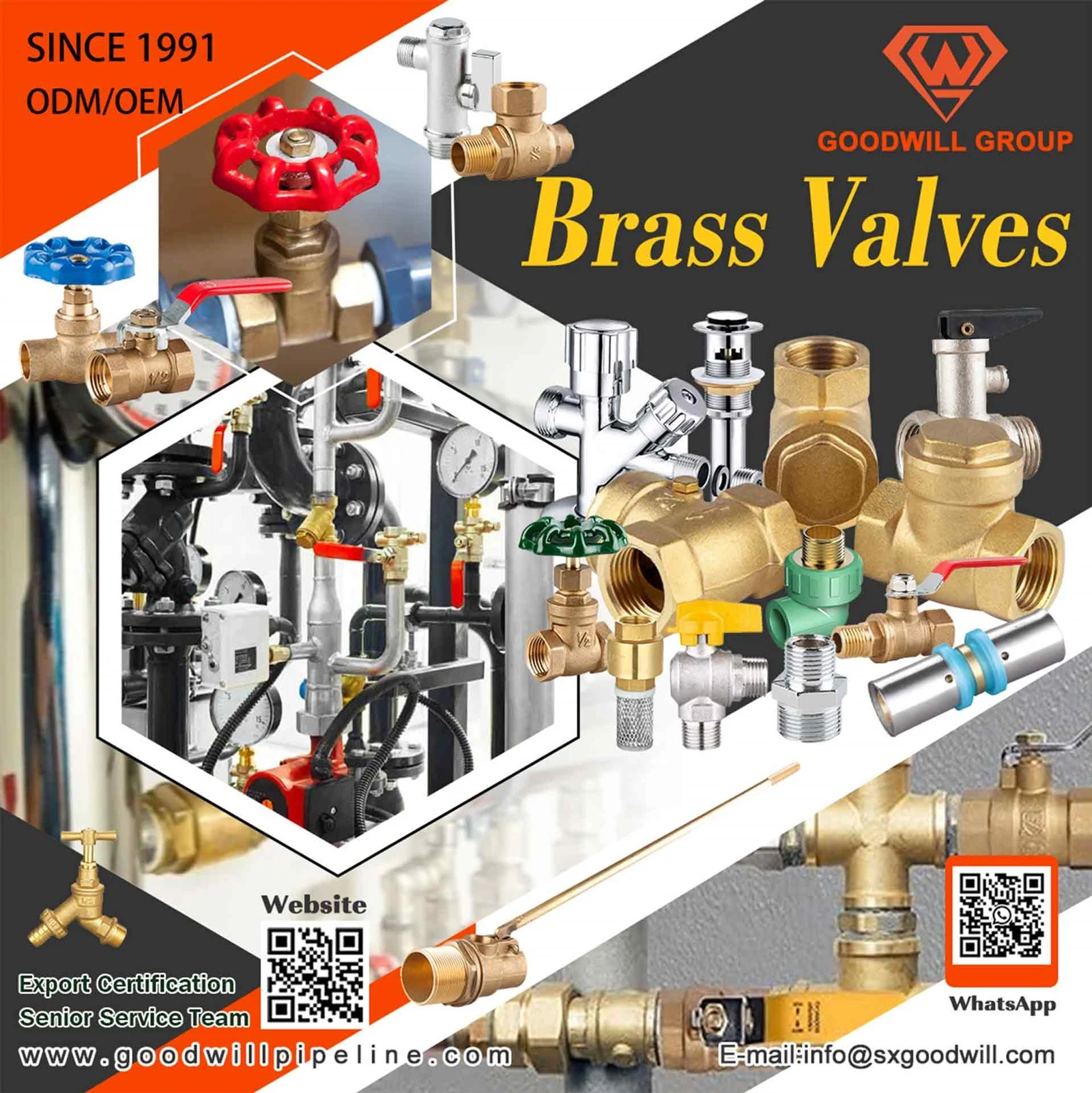 Comparison of Surface Treatment Processes for Brass Valve
Brass valves (ball valves, gate valves, check valves, bibcocks, angle valves, etc.) are widely used in potable water systems, HVAC, gas distribution, residential plumbing, and industrial fluid control.
Because brass naturally has good corrosion resistance, surface treatment is mainly used to enhance durability, improve appearance, meet hygiene standards, and provide additional protection in aggressive environments.
Surface treatments for brass valves typically apply to:
Valve body and bonnet
External surfaces
Stems, handles, and decorative parts
1. Natural Brass Finish (Uncoated / Polished Brass)
Features
No coating; surface may be polished or brushed
Relies on natural corrosion resistance of brass
Advantages
Maintains original metallic appearance
No risk of coating peeling
Cost-effective and environmentally friendly
Limitations
Surface may oxidize or discolor over time
Limited protection in harsh environments
Applications
Indoor plumbing
Decorative valves
Low-corrosion environments
2. Chrome Plating
Features
Multi-layer electroplating (copper + nickel + chrome)
Bright, mirror-like surface
Advantages
Excellent wear resistance
Smooth surface, easy to clean
Strong corrosion resistance
Premium appearance
Limitations
Higher cost
Not suitable for buried or hidden installations
Applications
Sanitary valves
Bathroom and kitchen valves
Decorative and household plumbing
3. Nickel Plating
Features
Electroplated nickel layer
Satin or bright finish
Advantages
Good corrosion and abrasion resistance
Uniform coating thickness
Lower cost than chrome plating
Limitations
Less decorative than chrome
May dull over long-term use
Applications
Industrial brass valves
Gas valves
Mechanical and HVAC systems
4. Epoxy Coating (External or Full Coating)
Features
Liquid or powder epoxy applied to brass surface
Typically used for color coding or protection
Advantages
Strong corrosion resistance
Color identification (blue, red, green)
Good chemical resistance
Limitations
Covers natural brass appearance
Less common for household valves
Applications
Fire protection systems
Industrial water pipelines
Utility installations
5. Powder Coating (Polyester or Epoxy)
Features
Electrostatic powder coating cured at high temperature
Uniform thickness and smooth surface
Advantages
Good impact and abrasion resistance
Multiple color options
Environmentally friendly process
Limitations
Not suitable for internal flow surfaces
Less common in potable water systems
Applications
Outdoor brass valves
Exposed installations
Industrial systems
6. Tin Plating (Food-Grade Coating)
Features
Thin tin layer applied to internal surfaces
Often used for potable water or food contact
Advantages
Safe for drinking water
Prevents dezincification
Improves hygiene
Limitations
Soft coating with limited wear resistance
Higher cost
Applications
Drinking water systems
Food and beverage pipelines
7. Passivation / Anti-Tarnish Treatment
Features
Chemical treatment to slow oxidation
No significant thickness added
Advantages
Retains natural brass color
Reduces discoloration
Environmentally friendly
Limitations
Limited corrosion protection
Not suitable for harsh environments
Applications
Decorative brass valves
Indoor plumbing
Comparison Table of Surface Treatment Processes
| Surface Treatment | Corrosion Resistance | Wear Resistance | Appearance | Cost | Typical Application |
|---|---|---|---|---|---|
| Natural Brass | ★★★★☆ | ★★★☆☆ | Metallic | Low | Indoor plumbing |
| Chrome Plating | ★★★★★ | ★★★★★ | Mirror bright | High | Sanitary valves |
| Nickel Plating | ★★★★☆ | ★★★★☆ | Satin / bright | Medium | Industrial, gas |
| Epoxy Coating | ★★★★☆ | ★★★★☆ | Colored | Medium | Fire systems |
| Powder Coating | ★★★★☆ | ★★★★☆ | Smooth, colored | Medium | Outdoor valves |
| Tin Plating | ★★★★★ | ★★★☆☆ | Dull silver | High | Drinking water |
| Passivation | ★★★☆☆ | ★★☆☆☆ | Natural brass | Low | Decorative use |
How to Choose the Right Surface Treatment
Household & decorative use
Chrome plating
Natural brass with anti-tarnish treatment
Industrial & gas systems
Nickel plating
Natural brass finish
Drinking water & food-grade systems
Tin plating
Certified chrome/nickel plating
Outdoor or exposed environments
Powder coating
Epoxy coating
Standards & Compliance Considerations
Brass valve surface treatments often comply with:
NSF / WRAS / ACS for potable water
EN, ISO, ASTM standards
RoHS and REACH environmental requirements
Conclusion
While brass valves naturally resist corrosion, the right surface treatment significantly enhances appearance, durability, hygiene, and service life.
Chrome and nickel plating dominate household and sanitary applications, while tin plating and epoxy coating are preferred for specialized industrial and drinking water systems.