

Application Of Steel Pipe
 Steel pipes have a wide range of applications across various industries due to their strength, durability, and versatility. Here are some common applications of steel pipes:
1. Water and Sewage Systems: Steel pipes are extensively used for transporting both potable water and wastewater. They are known for their corrosion resistance, which is crucial for maintaining the quality of water and preventing leaks or contamination.
2. Oil and Gas Industry: Steel pipes are a fundamental component of the oil and gas industry, used for drilling, transporting, and processing crude oil and natural gas. They are employed in pipelines, well casings, and other critical infrastructure.
3. Construction: Steel pipes are commonly used in construction for structural support, such as in building frames and scaffolding. They provide the necessary strength and stability required for various types of structures.
4. Infrastructure and Bridges: Steel pipes are used in the construction of bridges, flyovers, and other infrastructure projects due to their load-bearing capacity and ability to withstand harsh environmental conditions.
5. Automotive Industry: Steel pipes are used in the manufacturing of automobile parts, including exhaust systems, chassis, and roll cages, because of their durability and ability to withstand high temperatures.
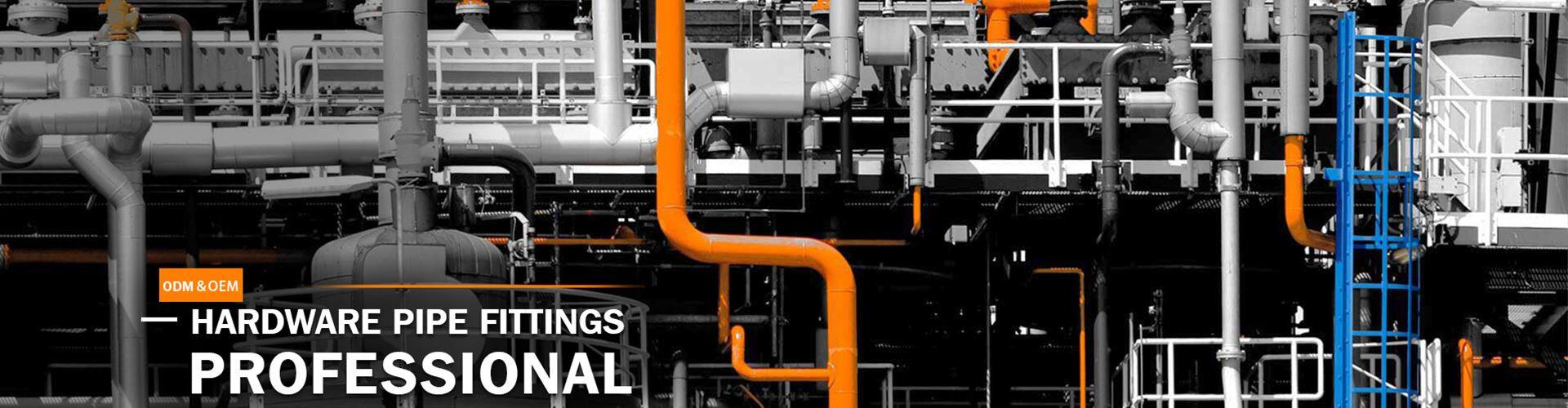
6. Industrial Process Piping: Various industries use steel pipes to transport fluids, gases, and chemicals within their manufacturing processes. These applications can be found in sectors like chemical processing, food and beverage, pharmaceuticals, and more.
7. Mining and Exploration: Steel pipes are used in mining operations for transporting materials such as ore, slurry, and other mining byproducts.
8. Utilities and Energy Transmission: Steel pipes are used in power plants and utility systems for transporting steam, water, and other fluids. They are also utilized for geothermal energy extraction and transmission.
9. Piling and Foundation Work: Steel pipes are driven into the ground as foundation piles to support structures in areas with challenging soil conditions, such as marshes or areas with high water tables.
10. Agriculture and Irrigation: Steel pipes are used for irrigation systems, providing a reliable means of delivering water to crops.
11. Fire Sprinkler Systems: Steel pipes are used in fire protection systems, carrying water or fire-retardant fluids to sprinklers and hydrants.
12. Telecommunications: Steel pipes can be used to house and protect underground telecommunication cables and fiber optics.
13. Heating and Cooling Systems: Steel pipes are used for transporting hot water, steam, and other heating or cooling fluids in industrial and commercial HVAC systems.
14. Structural Support in Tunnels: In tunnel construction, steel pipes can provide structural support during excavation and tunnel lining.
15. Sports and Recreation: Steel pipes are used in various sports and recreational equipment, such as goalposts, fences, and playground structures.
It's important to note that different types of steel pipes (e.g., seamless, welded, galvanized) are used based on specific requirements of each application, considering factors such as pressure, temperature, corrosive environment, and load-bearing capacity.